Caulking FAQ

0

Contractors typically use the following:

  • Silicone Sealants (The Gold Standard for Movement & Longevity):
  • Strengths: Unmatched movement capability (often ±50% to +100% -50%), exceptional UV stability (won’t chalk, yellow, or crack from sun exposure), extreme temperature resistance (-40°C to +150°C and beyond), excellent waterproof performance, and superior long-term durability (20-50+ years). They offer robust adhesion to non-porous materials like glass, metal, and glazed surfaces, often without a primer as well as porous substrates like concrete or brick. Ideal for critical building envelope joints, curtain walls, structural glazing, expansion joints, and anywhere maximum weatherproofing and longevity are paramount.
  • Considerations: Generally not paintable, can be more challenging to remove, and may require specific primers for certain substrates.
  • Polyurethane (PU) Sealants (For Toughness & Paintability):
    • Strengths: Excellent abrasion and tear resistance, very good adhesion to porous materials like concrete and masonry (with or without a primer), and typically paintable. They offer good overall durability and are often used in high-traffic areas (e.g., control joints in concrete slabs) or where a tough, durable, and paintable seal is required, such as exterior perimeter sealing of windows and doors.
    • Considerations: Can be susceptible to UV degradation (chalking, yellowing, hardening) over time, generally have lower movement capability than silicones, and some formulations may be prone to bubbling on porous substrates.
  • Silyl-Modified Polymer (SMP) / MS Polymer Sealants (The Versatile Hybrid):
    • Strengths: A hybrid chemistry that combines benefits of both silicones and polyurethanes. They offer good UV stability (better than PUs, though generally not quite as high as silicones), are often paintable, and exhibit excellent adhesion to a wide array of substrates (both porous and non-porous), often primerless. They have good movement capability and are less prone to bubbling than many polyurethanes. Ideal as a versatile, multi-purpose sealant for many general construction joints, window/door perimeter sealing, and areas where a balance of performance and paintability is needed.
    • Considerations: Can be higher in cost than PUs and may not match the extreme temperature range, strength or ultimate UV resistance of pure silicones.
  • Acrylic Latex (Painter’s Caulk) Sealants (For Basic Interior Finishing):
  • Strengths: Water-based, easy to apply and clean up with water, and highly paintable (often immediately or within a few hours). They offer good adhesion to common porous surfaces like wood, drywall, and plaster. They are cost-effective for non-moving interior gaps and minor cracks where a paintable finish is desired.
  • Considerations: Very limited flexibility and movement capability, poor water resistance for sustained exposure, and susceptible to cracking and shrinking over time, especially in dynamic joints. Not suitable for exterior or high-movement applications. Primarily used for cosmetic finishing around trim, baseboards, and window/door frames indoors.
  • Butyl Rubber Sealants (For Water Impenetrability & Concealed Joints):
    • Strengths: Known for their excellent water impermeability and strong adhesion. Highly effective for concealed joints, lapped materials, roofing, and other areas where a highly resilient and water-tight seal is critical but high joint movement is not expected. They retain flexibility and resist water vapor transmission.
    • Considerations: Limited movement capability, may not be paintable, can be difficult to tool and clean, and typically have a shorter service life in exposed applications compared to other high-performance sealants.

Beyond simply filling a gap, professional contractors evaluate sealants based on a rigorous set of performance criteria:

  • Movement Capability (Joint Movement): Crucial for accommodating thermal expansion/contraction and building settlement. This is expressed as a percentage (e.g., ±25%, ±50%) of the initial joint size and indicates the sealant’s elasticity.
  • Adhesive Strength: The sealant’s ability to form a durable bond to a wide range of substrates (concrete, masonry, metal, glass, plastics, EIFS) without bond failure. Priming requirements are a key consideration.
  • Durability & Longevity: Resistance to environmental factors like UV radiation, ozone, extreme temperatures, and chemical exposure, directly impacting service life and warranty.
  • Cure Characteristics: Tack-free time, full cure time, and the impact of ambient conditions (temperature, humidity) on the curing process.
  • Workability & Tooling: Ease of application, non-sag properties, ability to be tooled cleanly, and resistance to dirt pick-up.
  • Paintability/Stainability: Whether the sealant can be painted over and if it will stain or bleed into adjacent substrates.
  • VOC Compliance: Adherence to local and regional Volatile Organic Compound regulations (e.g., LEED, SCAQMD) for indoor air quality and environmental responsibility.
  • Compatibility: With adjacent building materials, coatings, and other sealants within the system.
  • Specific Resistances: Such as fire rating, mildew resistance, or fuel/chemical resistance for specialized applications.

Sealant failures lead to costly call-backs and compromise building integrity. Key issues and solutions include:

  • Adhesive Failure (Delamination):
    • Cause: Improper surface preparation (dust, oils, moisture, form release agents), incompatible substrates, or inadequate/missing primer.
    • Mitigation: Crucial for all sealants, especially silicones. Adhere rigorously to manufacturer’s surface preparation guidelines (clean, dry, sound). Perform solvent wipes (e.g., IPA, Xylene) for non-porous surfaces for silicones. Conduct field adhesion tests on project-specific substrates to verify bond strength.
  • Cohesive Failure (Splitting within the bead):
    • Cause: Sealant’s internal strength is insufficient for the joint movement; incorrect joint design (e.g., too thin).
    • Mitigation: Select a sealant with adequate movement capability (silicones excel here). Ensure proper joint geometry (width-to-depth ratio, typically 2:1) and utilize a backer rod to prevent three-sided adhesion.
  • Bubbling/Blistering:
    • Cause: Trapped moisture, outgassing from porous substrates (common with polyurethanes, less with silicones), or rapid skinning in high humidity/temperature.
    • Mitigation: Ensure surfaces are completely dry. For porous materials, use a breathable backer rod or a non-gassing primer. Apply sealants during recommended temperature windows and avoid direct sun on hot substrates.
  • UV Degradation/Discoloration:
    • Cause: Exposure to sunlight causing chalking, yellowing, or cracking.
    • Mitigation: Specify UV-stable sealants like silicones, aliphatic polyurethanes or high-grade SMPs for all exterior exposed joints. Aromatic polyurethanes should be painted if UV exposure is a concern.
  • Incompatible Materials:
    • Cause: Sealant reacting negatively with adjacent materials (e.g., plasticizers migrating from asphaltic materials into sealants, causing softening or discoloration; acetoxy cure silicones reacting with sensitive metals).
    • Mitigation: Always confirm sealant compatibility with all adjacent building materials. Consult manufacturer technical data sheets and conduct test patches if unsure. Neutral cure silicones are generally preferred for broader compatibility.

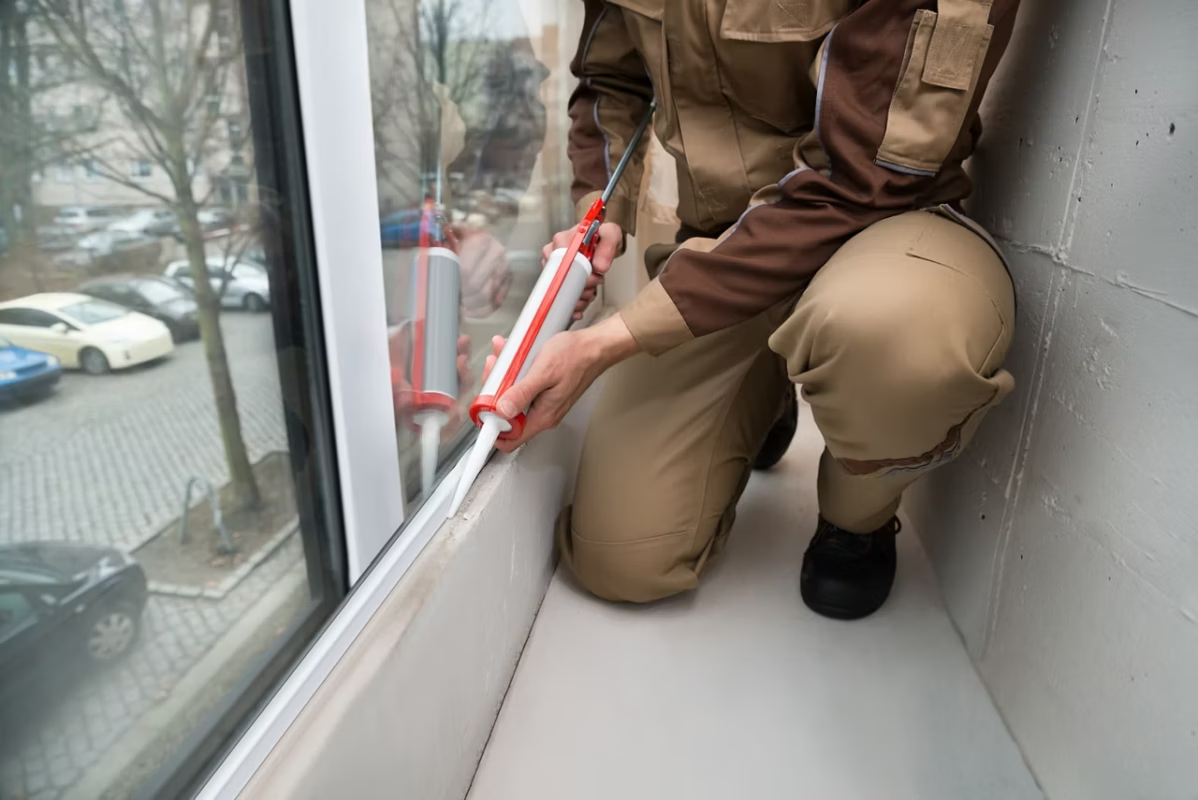
Silicone performs best in exterior, high-movement, or UV-exposed conditions. It resists shrinkage and remains permanently flexible. Unlike acrylics or some PUs, it does not degrade under sunlight or temperature swings — making it ideal for windows, glass, metal flashing, building panels and curtain walls.

  • When the sealant needs to be painted — polyurethanes, acrylics or hybrids are better.
  • On asphalt or bituminous surfaces, where chemical incompatibility can occur, except for specialized silicones e.g. Dowsil 890SL.
  • When bonding to porous surfaces without primer, hybrids or PU will adhere better than an acetoxy silicone. Neutral-cure silicones are recommended for porous substrates.
  • Not efficiently. Professional contractors should keep a core range of sealants:

    • Silicone – Primary exterior/weatherproofing and wet-area product.
    • Polyurethane – High-adhesion bonding to concrete or masonry.
    • Hybrid – General-purpose, paintable applications.
    • Acrylic latex – Budget-friendly trim or drywall applications.
  • Surface preparation is the single most critical factor influencing sealant adhesion and longevity. No sealant, regardless of its chemistry, will perform as intended without proper surface prep.Universal Best Practices:

    1. Cleanliness: Remove all dirt, dust, grease, oils, form release agents, curing compounds, paint, wax, and old sealant.
    2. Dryness: The substrate must be completely dry. Any moisture at the bond line will compromise adhesion and cure.
    3. Soundness: The substrate must be structurally sound, cohesive, and free of loose or spalling material. Grind or abrade as necessary.
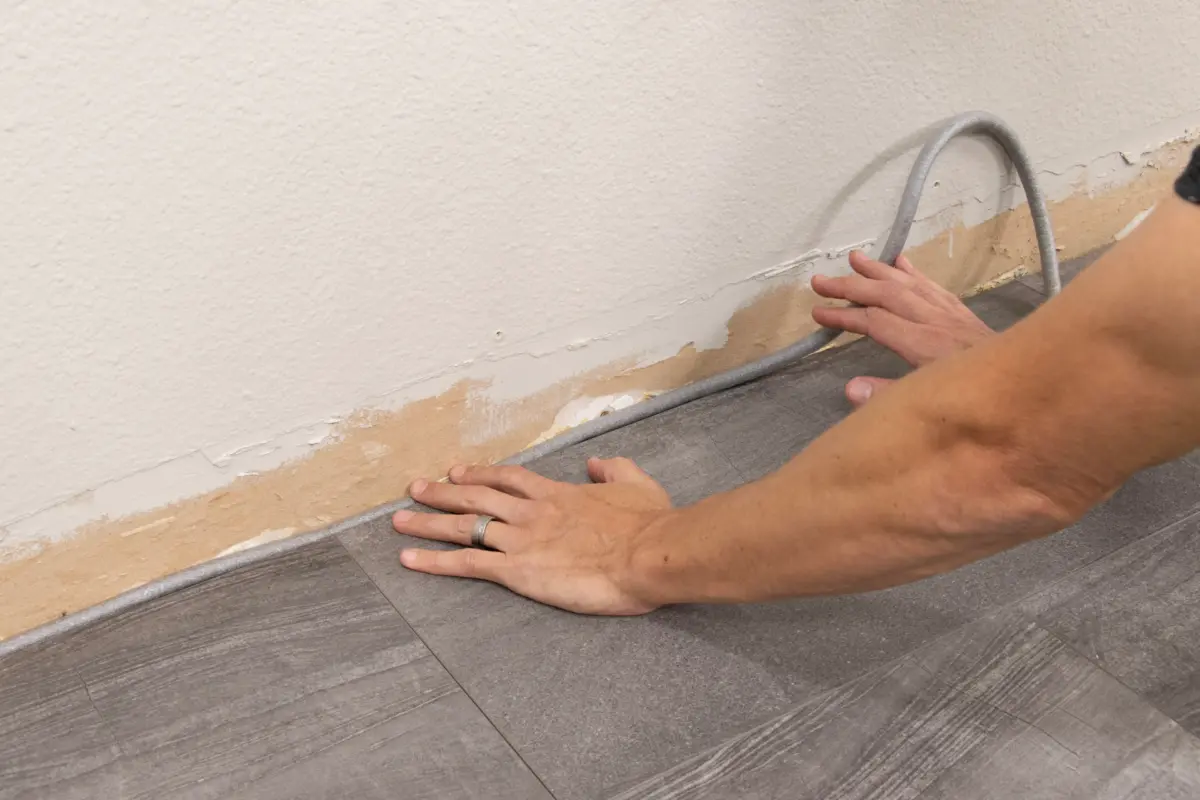
    4. Backer Rod Installation: Always install a properly sized backer rod (typically 25% larger than the joint width) to control sealant depth, prevent three-sided adhesion (which limits sealant movement), and provide a tooling surface. 
    5. Priming (As Required): Consult the sealant manufacturer’s TDS for specific primer requirements for different substrates. Primers enhance adhesion, especially on porous or challenging surfaces.
    6. Masking: Use painter’s tape to create crisp, clean lines and protect adjacent surfaces, especially when working with high-tack sealants like silicones and polyurethanes. Remove tape immediately after tooling.
    7. Temperature & Humidity: Ensure substrate and ambient conditions are within the manufacturer’s recommended range for application and cure.
  • Proper tooling is an art and a science, ensuring both visual appeal and functional integrity:

    • Timely Tooling: Tool the sealant immediately after application, before a skin begins to form. This is particularly critical for fast-curing sealants.
    • Full Contact: Tooling forces the sealant into intimate contact with both joint walls and the backer rod, eliminating air voids and ensuring robust, uniform adhesion.
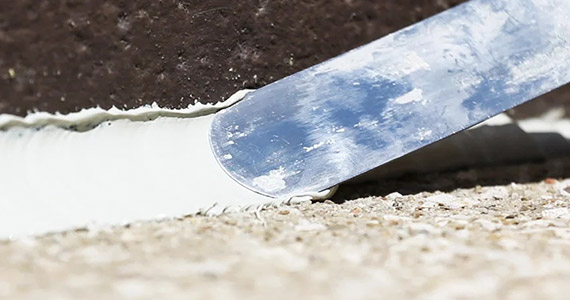
    • Optimal Bead Profile: Aim for a slightly concave (coved) bead. This shape allows the sealant to achieve maximum elongation and compression during joint movement without overstressing the bond line. Avoid flat or convex beads.
    • Minimize Tooling Agents: If using a tooling aid, apply it sparingly. Excess can compromise adhesion, stain substrates, or attract dirt. Always verify compatibility with the sealant manufacturer. For silicones, clean, lint-free tools with no tooling liquid are often preferred.
    • Consistent Pressure & Speed: Apply firm, consistent pressure and move the tooling tool at a steady speed to create a uniform, smooth bead.
    • Cleanup: Remove masking tape immediately after tooling and before the sealant fully skins over. Promptly clean any excess sealant or tooling residue from adjacent surfaces with an appropriate solvent (xylene or IPA typically) before it cures.
  • Sealant performance is a system, not just a product. Success depends on:

    • Detailed Joint Design: Proper sizing of joints based on anticipated movement, material coefficients of thermal expansion, and the sealant’s movement capability.
    • Quality Workmanship: Proper training and experienced applicators who understand preparation, application techniques, and tooling.
    • Environmental Conditions: Applying sealants within the manufacturer’s recommended temperature and humidity ranges. Avoiding application on frozen, wet, or excessively hot substrates.
    • Substrate Compatibility: Thoroughly vetting the chemical compatibility of the chosen sealant with all adjacent materials it will contact, including primers, coatings, and other sealants.
    • Manufacturer Support & Warranties: Partnering with manufacturers who provide robust technical support, comprehensive data sheets, and meaningful warranties for their products.
    • Regular Inspection & Maintenance: Educating building owners on the importance of periodic inspection and timely repair/reapplication to maximize the lifespan of the sealant system.

    By meticulously addressing these factors, professional contractors ensure that sealant installations deliver maximum performance and contribute significantly to the long-term durability and energy efficiency of the structure.

Leave a Reply

Your email address will not be published. Required fields are marked *