Backer Rods: Professional Contractor’s FAQ for Optimal Sealant Performance

0

Backer rod, though often overlooked, is a critical component in virtually every sealant joint. Its correct selection and installation are paramount for achieving durable, high-performance sealant bonds and maximizing the lifespan of the entire joint system. This FAQ addresses key questions professional contractors may have about backer rods.

Backer rod serves several essential functions, making it indispensable for proper sealant installation and long-term joint performance:

  • Controls Sealant Depth: It ensures the sealant is applied at the optimal width-to-depth ratio (typically 2:1 for most high-performance sealants like silicones and polyurethanes). This allows the sealant to stretch and compress effectively across the joint, preventing it from being too thick (which limits movement) or too thin (which leads to premature failure).
  • Prevents Three-Sided Adhesion: By preventing the sealant from bonding to the back of the joint, the backer rod allows the sealant to flex freely as the joint expands and contracts. Adhesion on three sides severely restricts movement capability and leads to cohesive failure (splitting) or adhesive failure (detachment) of the sealant.
  • Provides a Firm Tooling Surface: It offers a uniform, non-adhering surface against which the sealant can be tooled, ensuring a consistent and aesthetically pleasing bead profile.
  • Conserves Sealant Material: By filling the void behind the sealant, it reduces the amount of expensive sealant required, leading to cost savings on large projects.
  • Aids in Proper Curing: For moisture-curing sealants (like most silicones and polyurethanes), certain backer rod types can allow moisture vapour to reach the back of the sealant, facilitating a complete and uniform cure.

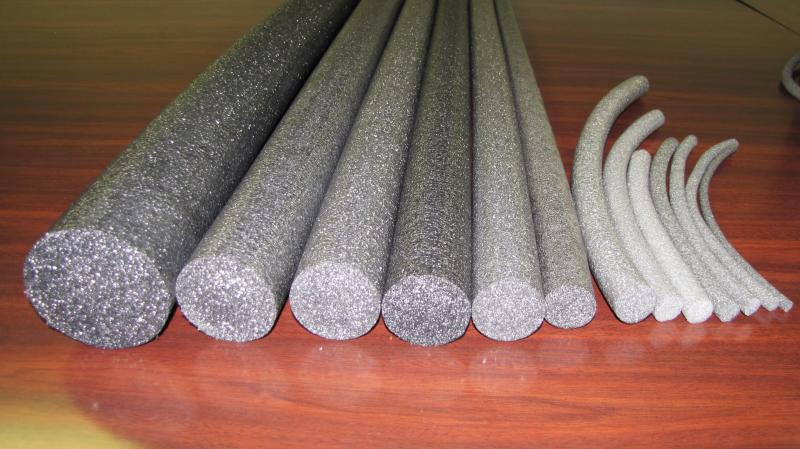
The primary types of backer rods are distinguished by their cell structure and composition, and understanding these differences is crucial for optimal sealant performance and avoiding common failures:

  • 1. Closed-Cell Backer Rod:
    • Composition: Made of non-absorbent foam (e.g., polyethylene or polyolefin) with discrete, sealed cells of gas (typically air or nitrogen).
    • Properties: Inherently non-absorbent to water and moisture, provides a firm support, and in its intact state, is considered non-gassing. This means it won’t continuously release internal gases into the curing sealant.
    • Critical Nuance for Outgassing: It’s vital to understand that if a closed-cell backer rod is punctured, torn, or severely over-compressed during installation, these sealed gas cells can rupture. When this happens, the trapped gas can escape into the wet sealant, potentially causing bubbling or blistering as the sealant cures. This is why careful installation with blunt tools is paramount.
    • Ideal Applications:
      • Exterior joints or wet areas: Where preventing moisture intrusion from the back of the joint is crucial (e.g., window perimeters, shower stalls).
      • Vertical or overhead joints: Its firmer consistency provides excellent support for the sealant bead and prevents sag.
      • When minimizing outgassing from the backer rod itself is critical: Especially important for sealants like silicones and some polyurethanes that are sensitive to gas release, provided the backer rod remains uncompromised.
  • 2. Hybrid Backer Rod (Open-Cell Core with Closed-Cell Skin):
    • Composition: Features a soft, open-cell foam core encased in a durable, closed-cell polyethylene skin.
    • Properties: Offers a unique combination of benefits. The closed-cell skin provides a non-absorbent, non-gassing surface directly to the sealant, preventing water absorption into the rod’s core and eliminating the risk of bubbling from gas release from the rod’s core itself. The open-cell core maintains the rod’s flexibility and compressibility, making it easy to install and conform to irregular joints.
    • Clarifications:
      • Vapour Transmission: While the closed-cell skin directly facing the sealant acts as a vapour barrier at that interface, the open-cell core remains permeable. This means the hybrid rod does not create a complete vapour block behind the skin, allowing some moisture vapour from the underlying substrate to move within the joint assembly, which can be beneficial for the cure of moisture-sensitive sealants by creating a more balanced moisture environment. However, direct vapour transmission through the skin to the sealant is limited.
      • Cost: Hybrid backer rods are generally considered a premium product due to their dual material composition and manufacturing complexity. Their cost typically falls above standard closed-cell polyethylene rods, reflecting their advanced properties.
    • Ideal Applications:
      • Versatile use: Suitable for a wide range of applications where a balance of excellent weather resistance (from the skin) and good workability (from the soft, compressible core) is desired.
      • Demanding building envelope joints: Where the sealant needs a clean, stable, non-gassing surface to bond to, but the backer rod also needs to accommodate significant joint movement without putting undue stress on the sealant.
  • 3. Open-Cell Backer Rod:
    • Composition: Made of absorbent foam (e.g., polyurethane) with an interconnected cell structure.
    • Properties: Absorbent to water, softer, and allows moisture vapour and air to pass through its structure. This “breathability” means it will allow outgassing from the substrate to pass through it, potentially causing bubbles in the sealant if the substrate itself is outgassing.
    • Ideal Applications:
      • Moisture-curing sealants (e.g., some silicones, polyurethanes) in deep or inaccessible joints: Where ambient moisture from the back of the joint is needed to facilitate a complete and uniform cure, as it allows moisture vapour to reach the sealant.
      • Interior joints: Where water absorption is less of a concern and its softer nature can conform well to irregular joint shapes.
      • When a softer, more compressible material is needed: Ideal for irregularly shaped joints or when minimal stress on joint edges during installation is desired.
      • Firestop applications: Some open-cell backer rods are specifically designed as part of fire-rated systems.

Correct sizing is crucial for optimal performance:

  • General Rule: The backer rod should be approximately 25% larger than the joint width. For example, for a 1-inch wide joint, use a 1-1/4 inch backer rod.
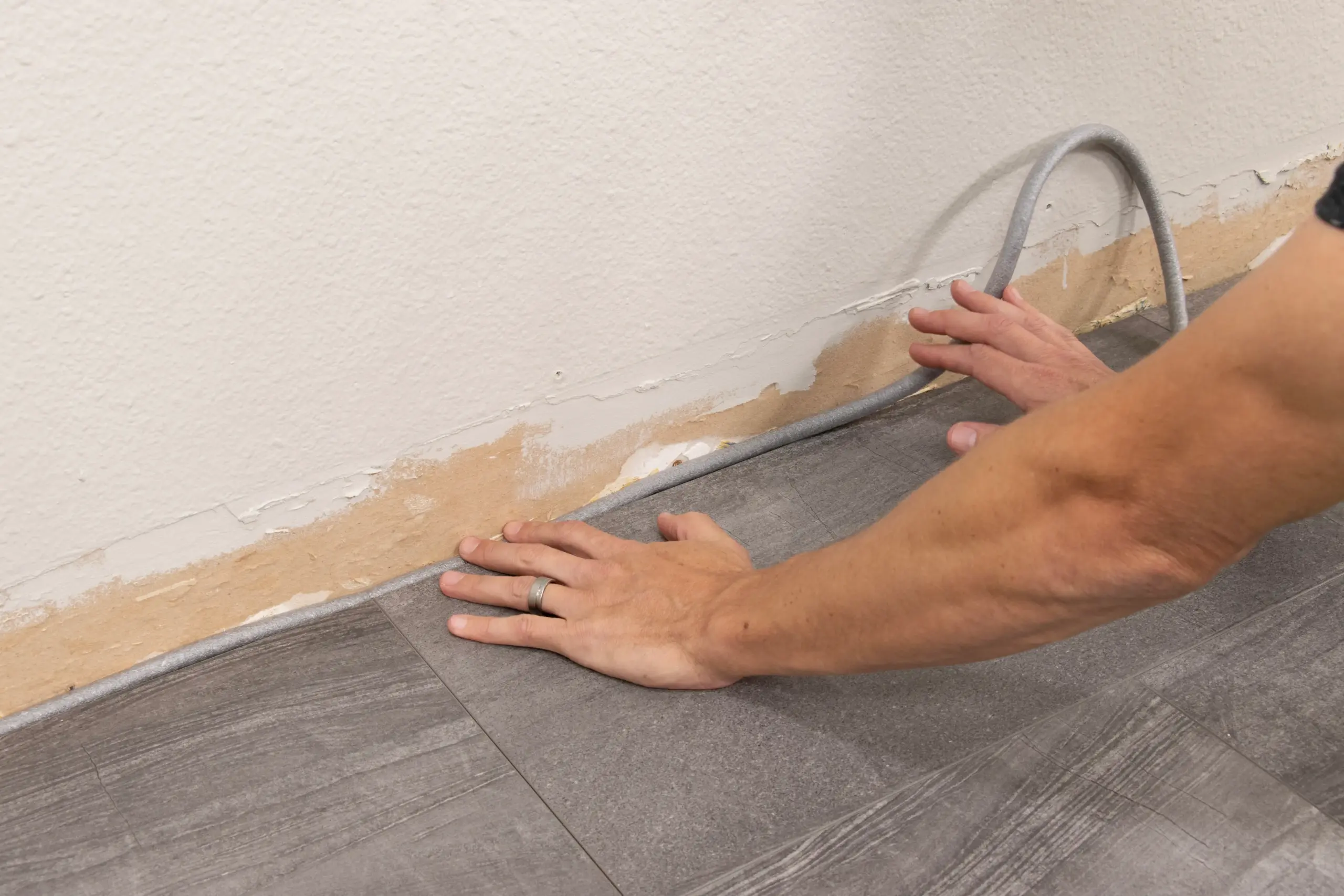
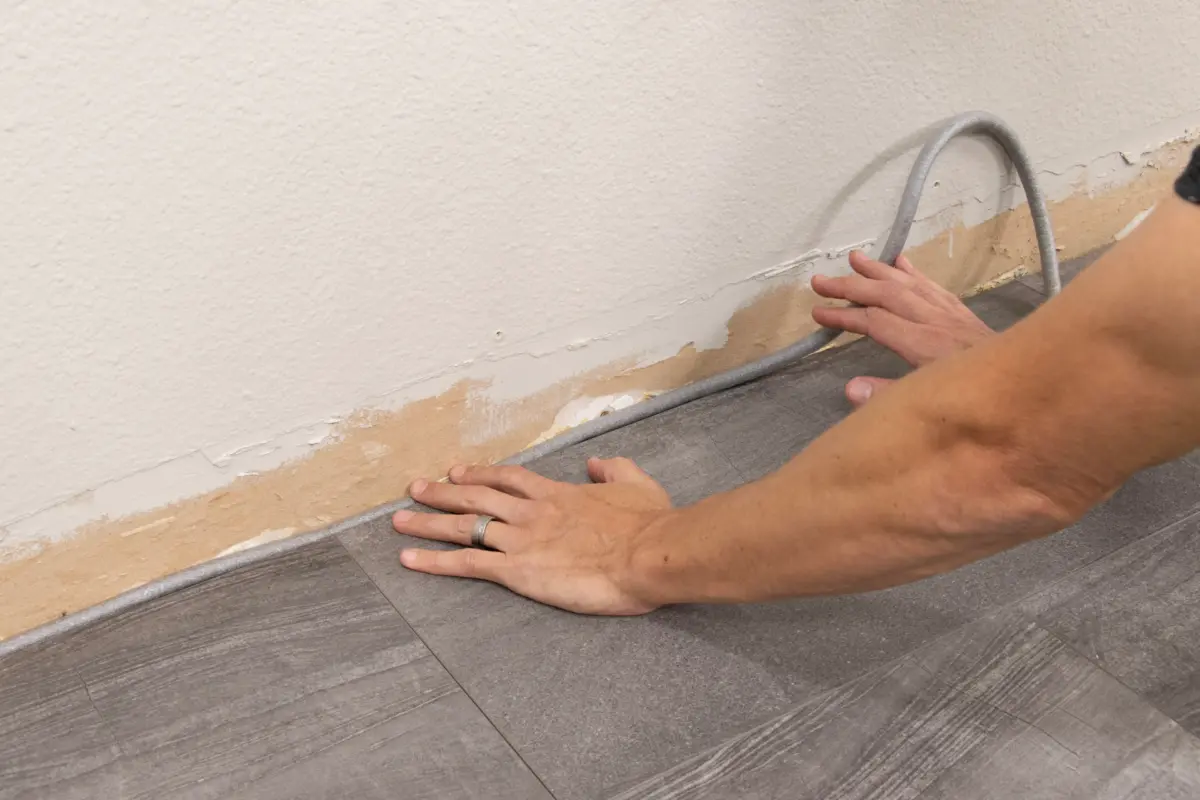
  • Installation Method: It should be installed by compressing it into the joint, creating a tight friction fit without overstretching or puncturing it.
  • Consequences of Incorrect Sizing:
    • Too Small: If the backer rod is too small, it won’t create the necessary bond breaker or provide adequate support, leading to improper sealant depth, or sealant sag.
    • Too Large: If it’s too large, it can be difficult to install without tearing or puncturing. Over-compression can create excessive outward pressure, leading to “hourglassing” of the sealant (a narrow waist), which concentrates stress and can cause premature failure. It can also cause the backer rod to “mushroom” out, affecting the sealant’s bond area.

Yes, backer rods can be compromised during installation, which can directly lead to sealant failure and compromise the integrity of the joint system:

  • Punctures or Tears (Especially for Closed-Cell): Using sharp tools (like utility knives or screwdrivers) or forcing an oversized backer rod can puncture or tear the skin of a closed-cell backer rod. When the sealed cells are ruptured, the trapped gases (typically air or nitrogen) can escape into the wet, curing sealant. This release of gas is the primary cause of bubbling or blistering in the sealant bead, particularly for sensitive chemistries like silicones. Additionally, a damaged skin can interfere with its non-adhering properties, potentially leading to three-sided adhesion if the sealant bonds to the compromised core.
  • Overstretching: Stretching the backer rod excessively during installation can reduce its effective diameter and density. This prevents it from creating the necessary friction fit, providing proper support, or acting as an effective bond breaker, ultimately compromising the sealant’s movement capability.
  • Contamination: Getting dirt, dust, grease, oils, or incompatible materials on the backer rod can negatively affect the sealant’s adhesion to the joint substrate, or even interfere with the sealant’s cure.

Prevention is key to avoiding these issues:

  • Use Proper Tools: Always use blunt-edged, rounded, or specially designed backer rod insertion tools. Your thumb or a blunt putty knife are often effective.
  • Avoid Sharp Objects: Never use utility knives, screwdrivers, or other sharp tools to push or prod the backer rod into place.
  • Select Correct Size: Ensure the backer rod is sized appropriately (approximately 25% larger than the joint width) to achieve a snug friction fit without excessive force.
  • Handle Carefully: Handle backer rods with clean hands or gloves to prevent contamination.
  • Proper Storage: Store backer rods in a clean, dry environment, protected from physical damage and extreme temperatures, to maintain their integrity.
  • Smooth Installation: Uncoil and cut backer rod neatly, avoiding kinks or twists, to ensure uniform placement within the joint.

  • Omitting or substituting the backer rod with unsuitable materials significantly compromises the sealant joint:

    • Three-Sided Adhesion: This is the most common and detrimental consequence. The sealant bonds to the back of the joint, inhibiting its ability to move freely and leading to premature splitting or detachment.
    • Improper Sealant Depth: Without a backer rod, it’s impossible to consistently control the sealant depth, resulting in either too much material (reduced movement, higher cost) or too little (insufficient strength).
    • Increased Sealant Consumption: More sealant is used than necessary, leading to increased material costs and potentially longer cure times.
    • Poor Aesthetics: An uneven or inconsistent bead profile due to lack of a firm tooling surface.
    • Reduced Durability & Lifespan: The joint will fail prematurely, leading to water intrusion, air leakage, and costly callbacks.
    • Warranty Voidance: Most sealant manufacturers’ warranties are voided if the sealant is not installed over a compatible backer rod.
    • Inappropriate Substitutes: Using materials like sand, gravel, wood, or inconsistent packaging materials as substitutes will not provide the necessary bond-breaking, compressibility, or support, leading to guaranteed failure.

Backer rod is available in diameters typically ranging from 1/4″ to 6″ (6 mm to 150 mm). The rod should be 25% larger than the joint width to ensure it stays in place without adhesive.

  • Yes. It’s commonly used in both:

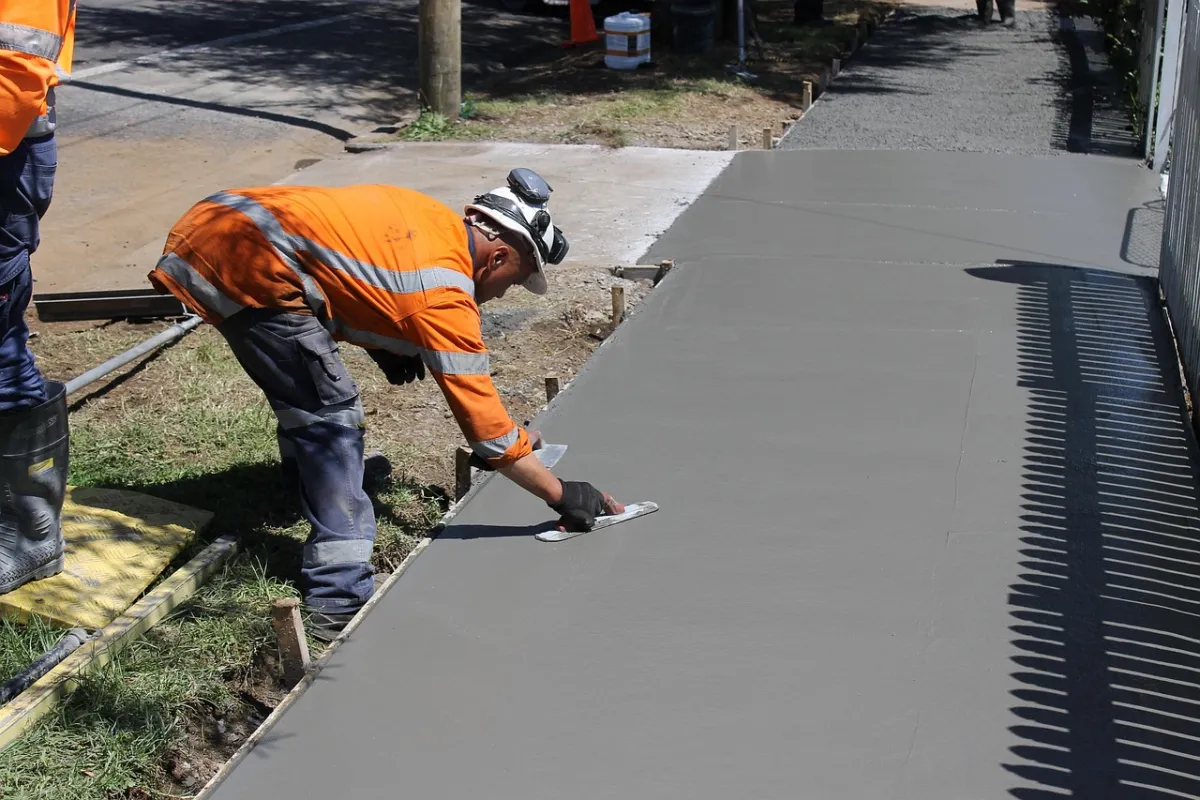
    • Horizontal: Expansion joints in sidewalks, parking decks, floors. Commonly closed-cell backer rod would be installed in exterior horizontal joints to prevent the possibility of water absorption and subsequent potential freezing, which would compromise the sealant on top.
    • Vertical: Curtain walls, precast panels, tilt-up walls, window perimeters.
      Make sure it’s properly seated without stretching or over-compressing.

Leave a Reply

Your email address will not be published. Required fields are marked *